Best time to climb Marangu
The driest and clearest months are January to March and June to October. The long rains fall from about March to May and short rains in November. Marangu copes better with wet weather than tented routes, but paths get muddy and views can be lost in cloud. June to October is the busiest period, so book huts early.
Summit day and altitude
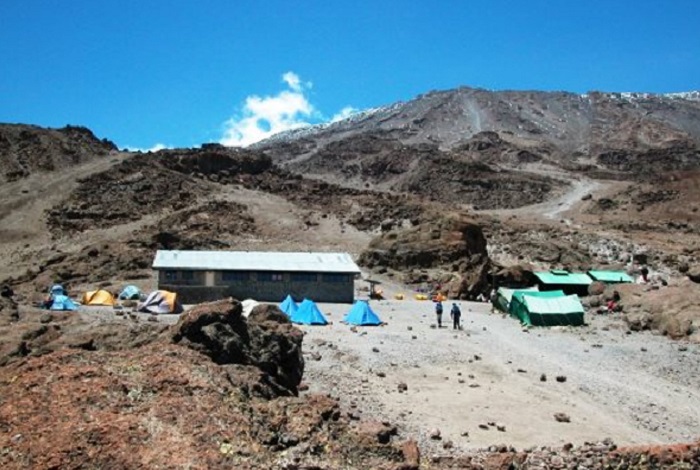
You start around midnight from Kibo Huts, climb a steep scree slope to Gilman’s Point on the crater rim, then continue to Uhuru Peak for sunrise. Temperatures can drop well below freezing. Walk slowly, drink plenty and tell your guide about any headache or nausea. A 6 day trip gives a much better acclimatisation profile than 5 days.
What to pack
Layered clothing, a warm summit jacket, waterproof shell, broken-in boots, gloves, hat, headlamp, trekking poles, sleeping bag rated to about –10°C and a 2 to 3 litre water system. Huts provide bunks and mattresses only, so bring your own bedding.