Best time to climb Shira
The driest and clearest months are January to March and June to October. The long rains fall from about March to May and short rains in November. The plateau is exposed, so it can be cold and windy at night in any season. Dry-season dates fill up early, so book ahead.
Highlights on the trail
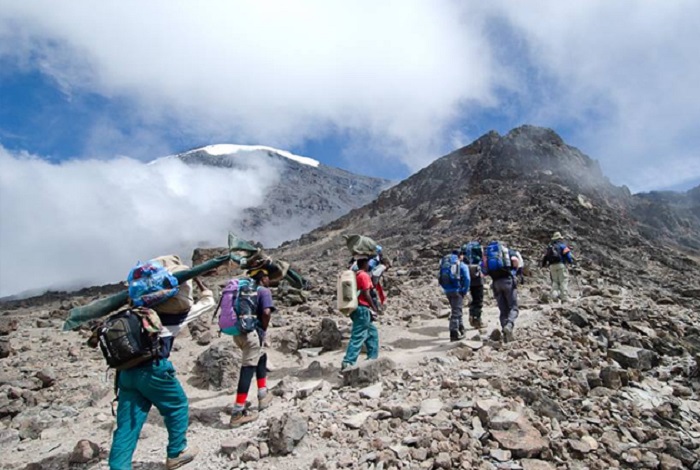
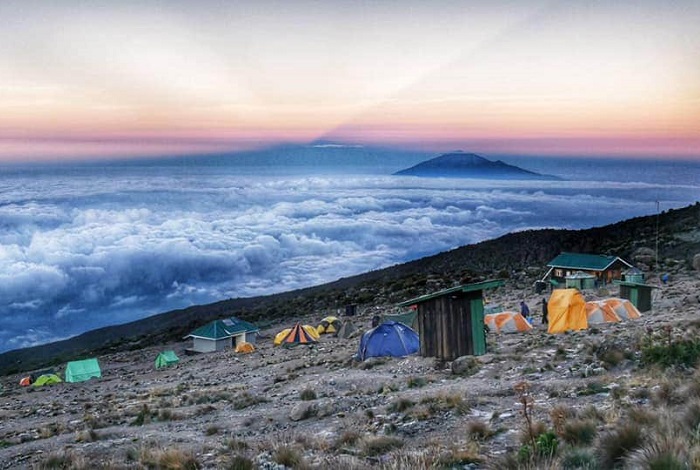
Wide open views across the Shira Plateau, the acclimatisation walk to Lava Tower at 4,630 m, the Barranco Wall scramble and a route passing beneath the Southern Icefields before the summit push from Barafu.
Summit day and altitude
You leave Barafu around midnight and climb slowly through scree to Stella Point on the crater rim, then continue to Uhuru Peak for sunrise. It is very cold. Because Shira starts high, altitude sickness is more likely. Walk “pole pole” (slowly), drink plenty and tell your guide about any headache, nausea or dizziness.
What to pack
Layered clothing, a warm summit jacket, waterproof shell, broken-in boots, gloves, hat, headlamp, trekking poles, a sleeping bag rated to about –10°C and a 2 to 3 litre water system. Tents and mats are provided, but bring your own sleeping bag.